Global Performance and Compliance in Focus: A Comparative Review of HICLOVER Waste Incinerator Systems Across Emerging Markets
Technical Fundamentals: Engineering Reliability and Regulatory Alignment
For decision-makers overseeing waste management infrastructure, the waste incinerator landscape demands precision, adherence to high-temperature standards, and demonstrable engineering reliability. Modern solid domestic waste incinerator installations—such as those from HICLOVER—must consistently achieve core combustion temperatures of 850°C to 1200°C for primary and secondary chambers, respectively. This range aligns with international references, including WHO and EU directives, where medical incinerator operating temperature standards require a minimum secondary chamber retention of two seconds at or above 1100°C to ensure complete pathogen destruction and dioxin mitigation.
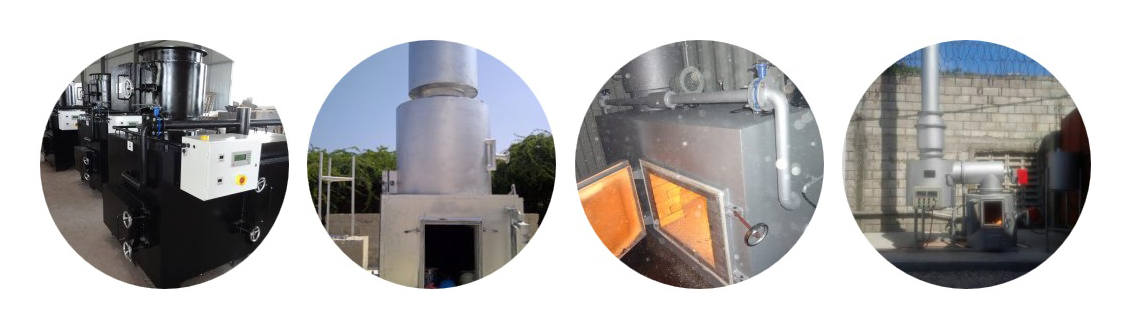
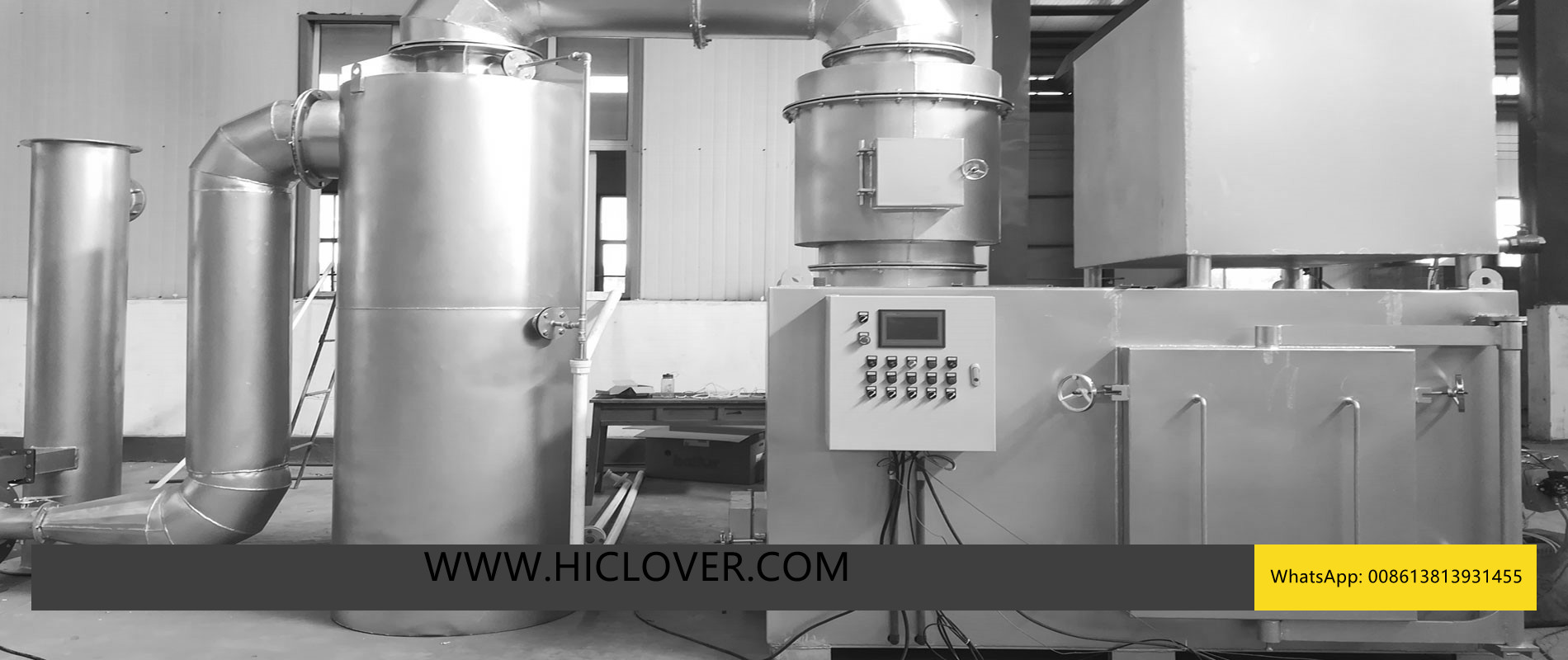
Engineering reliability is paramount, particularly in decentralized deployments where remote oversight and variable waste streams challenge system resilience. HICLOVER’s dual chamber design, with high-grade refractory insulation and Italian-brand burners, ensures stable combustion and minimal thermal loss—critical for regulatory compliance and operational safety. Each unit incorporates advanced PLC automation for precise temperature modulation, critical for government and regulatory bodies charged with upholding environmental and public health mandates.
Combustion Principles and Advanced Control Systems
Central to the HICLOVER waste incinerator’s efficacy is its dual-stage oxidation principle. The primary chamber initiates thermal decomposition, while the secondary chamber—engineered for high turbulence and residence time—ensures complete oxidation of volatile organic compounds and hazardous particulates. This architecture directly addresses emission control requirements under both EU and local mandates. PLC-controlled airflow and fuel modulation further reduce operator dependency, minimize human error, and maintain compliance with emission thresholds.
Emphasis on digital automation not only advances ESG reporting standards but also supports integration with remote monitoring protocols. This is particularly valuable for regulatory agencies overseeing decentralized or mobile deployments in crisis zones, humanitarian operations, and remote resource extraction sites.
Comparative Technical Analysis: Fixed, Containerized, and Mobile Solutions
Fixed Installations vs. Containerized Modular Systems
Traditional fixed-base incinerators, while robust, lack the flexibility demanded by rapidly evolving waste generation patterns and global infectious disease preparedness requirements. HICLOVER’s containerized modular systems, by contrast, are engineered for rapid deployment and plug-and-play operation. These units arrive pre-assembled with full electrical, fuel, and exhaust systems integrated—enabling immediate commissioning even in remote or crisis-impacted regions.
For instance, when analyzing Somalia pet incinerator and Malawi pet incinerator prices, containerized solutions offer not only cost efficiencies through minimized civil works but also superior scalability. Units can be combined or relocated as population centers or humanitarian needs shift, supporting dynamic response strategies in emergency and post-disaster contexts.
PLC Automation vs. Manual Control
Manual control, still prevalent in older models supplied by smaller vendors, introduces risks related to temperature drift and incomplete waste destruction. HICLOVER’s PLC-based systems automate burner modulation, chamber sequencing, and safety shut-offs. This reduces reliance on highly-trained local technicians—often in short supply in regions such as Gambia or Angola—while providing digital logs for regulatory audits and compliance validation.
Emission Control: Wet Scrubber vs. Dry Scrubber Integration
Emission abatement remains a focal point, with jurisdictional requirements differing between Cote d’Ivoire and Morocco. HICLOVER offers both dry and wet scrubber options, customizable per project location. Dry scrubbers, favored in arid environments, simplify maintenance and water management, while wet scrubbers provide superior removal of acid gases and particulates in urban or coastal deployments. The ability to specify abatement method during procurement supports alignment with local regulatory frameworks and future-proofs against tightening emission standards.
Remote and Mobile Deployment Scenarios
The operational reality for Morocco solid waste incineration or remote Gambia incinerator china projects often involves logistical barriers, including limited site access, unstable power supply, or fluctuating waste volumes. HICLOVER’s mobile plug-and-play designs, built within ISO container frames, directly address these concerns. Units can be delivered by standard truck or rail, sited within hours, and powered via diesel, LPG, or natural gas—offering broad fuel flexibility for unreliable energy networks.
This unique mobility aligns with decentralized waste management strategies, enabling temporary or semi-permanent solutions for mining camps, refugee settlements, or remote healthcare facilities. For further technical detail on HICLOVER’s containerized incinerators, the manufacturer provides a comprehensive overview of engineering and deployment protocols, underscoring advantages in both rapid setup and regulatory adaptability.
Application Scenarios: Regional Market Insights and Use Cases
Solid Domestic and Pet Waste Incineration in Africa
The proliferation of solid domestic waste incinerator units in markets such as Cote d’Ivoire and Morocco reflects a growing demand for factory-direct, compliant solutions. HICLOVER’s engineering approach, with customizable chamber volumes ranging from 10 kg/hr for small clinics to 1000 kg/hr for municipal transfer stations, addresses the full spectrum of local waste burdens. In the context of Somalia pet incinerator and Malawi pet incinerator prices, procurement cycles benefit from transparent, direct-from-factory pricing. This not only reduces costs but ensures technical specification fidelity—critical for animal by-product and veterinary waste streams where improper incineration poses zoonotic risks.
Key reference installations in Morocco support urban waste reduction targets, while units deployed in Gambia demonstrate resilience in fluctuating climate conditions. In Angola, the preference for a china incinerator supplier with proven export logistics is met by HICLOVER’s stable supply chain and documented engineering record, reducing project risk for both governments and international NGOs.
Regulatory and ESG Compliance in Public Sector Procurement
With mounting carbon emission reduction pressure and heightened ESG scrutiny, government tenders increasingly require verifiable emission data and energy recovery options. HICLOVER supports integration of heat exchangers for steam or hot water recovery, augmenting both sustainability credentials and operational cost savings. Factory-issued certification dossiers and performance data support regulatory submissions, while digital PLC logs simplify compliance reporting for environmental authorities.
For deeper regulatory context, refer to global frameworks via medical+incinerator+secondary+chamber+temperature+standard. This facilitates cross-country benchmarking and procurement due diligence for government officials charged with infrastructure modernization.
Crisis Response and Humanitarian Applications
In humanitarian scenarios—such as refugee camps, mobile field hospitals, or post-epidemic cleanup—rapid, compliant waste destruction is non-negotiable. HICLOVER’s containerized and mobile incinerators have been deployed by international agencies in rapid-response settings, where plug-and-play operation and multi-fuel capability (diesel, LPG, natural gas) are vital. These units can be commissioned by a small team, with full PLC automation reducing operator training requirements.
Supply chain resilience—underscored by HICLOVER’s in-house manufacturing and export capability—ensures that even during global logistics disruptions, equipment delivery and spare part support remain stable. For governments planning for infectious disease preparedness or disaster mitigation, this reliability underpins both public health outcomes and budget certainty.
Commercial and Transactional Advantages: Manufacturer Versus Trading Company
Factory Direct Supply and Customization
A persistent challenge in the African and Middle Eastern procurement landscape is distinguishing between original equipment manufacturers and trading intermediaries. HICLOVER, as a factory manufacturer, provides direct engineering consultation, rapid customization, and lifecycle technical support—advantages unattainable through trade-only suppliers. Customizable chamber volumes, burner configurations, and emission scrubber integration allow for precise adaptation to national and municipal waste profiles.
This direct engagement also expedites regulatory approvals, as engineering teams can provide real-time documentation, validation data, and site-specific design modifications. For example, tailoring secondary chamber capacities for specific medical or animal waste streams ensures enduring compliance and operational efficiency.
Global Export Capability and Stable Supply Chain
HICLOVER’s documented export experience—spanning installations from Cote d’Ivoire chinese incinerator manufacturers to Angola china incinerator supplier partnerships—confirms both logistical competence and regulatory readiness. Comprehensive export packaging, on-site commissioning support, and long-term spare parts supply de-risk long lifecycle investments for governments and aid agencies alike.
The manufacturer’s robust, in-house supply chain guarantees that all core components—high-temperature refractories, control panels, burners—are procured and assembled under strict quality assurance. This vertical integration is a central pillar of supply chain resilience, particularly as global crises and supply disruptions become more frequent.
Engineering Experience and Project Support
With a portfolio exceeding 16 years in waste incinerator system engineering, HICLOVER brings project-proven expertise to every deployment. This translates to accurate technical advice, evidence-based design recommendations, and post-installation support—ensuring government buyers receive both compliant technology and verifiable return on investment. Factory-authorized technical teams assist with installation, training, and maintenance, ensuring that operational standards are not just met but sustained over time.
Conclusion: Strategic Fit for Evolving Waste Management Demands
The comparative analysis of waste incinerator technologies underscores the paramount importance of regulatory compliance, engineering reliability, and supply chain stability in modern public sector waste management. HICLOVER’s containerized, PLC-automated, and globally exportable solutions offer a demonstrable advantage for government agencies and regulatory bodies confronting the complex realities of solid waste, pet by-product, and infectious material destruction. By leveraging direct-from-factory customization, advanced emission control, and resilient logistics, stakeholders position themselves to meet both immediate and long-term ESG, public health, and operational objectives.